Every breakthrough starts with a person. Before they changed the world, they were sitting in a classroom — learning how to think, how to question, and how to solve problems no one had solved before. From filtering water more cheaply to detecting cancer early to designing better prosthetics, it all started at a university.
This episode explores how America's universities produce more than degrees — they produce the people who build the future.
Every satisfying tap of your smartphone, every vaccine that ended a pandemic — none of it started with someone trying to build a product. It started with someone asking a question.
Universities are one of the few places where researchers are given the freedom and funding to pursue questions without a guaranteed payoff. That patience is the best investment we've ever made.
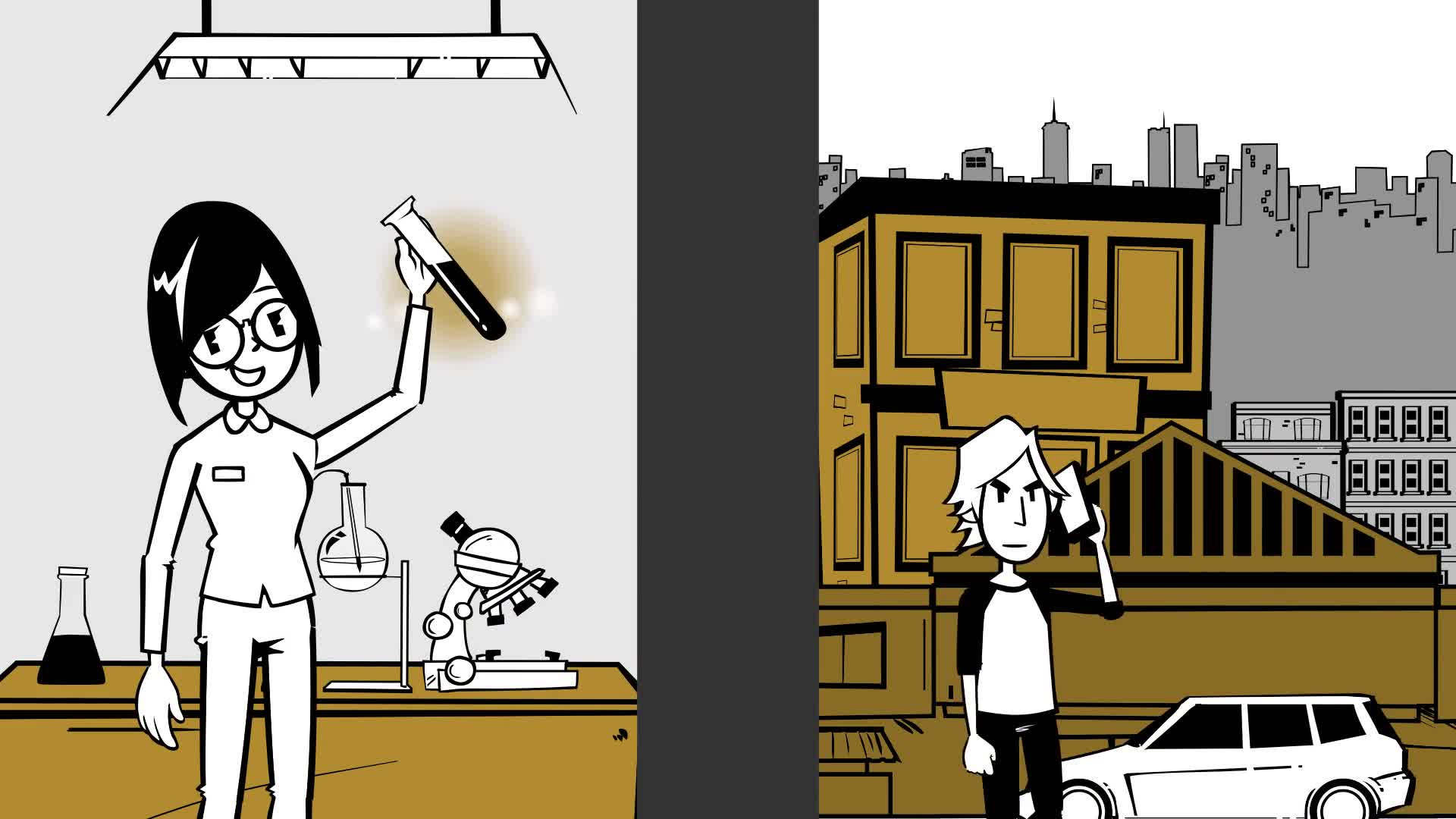
A brilliant discovery sits in a university lab. It could change lives — but it's not helping anyone yet. So who carries it across the finish line? Meet the unsung heroes of innovation: Technology Transfer Offices.
It's part detective work, part dealmaking, part translation — and it's the most important job you've never heard of.
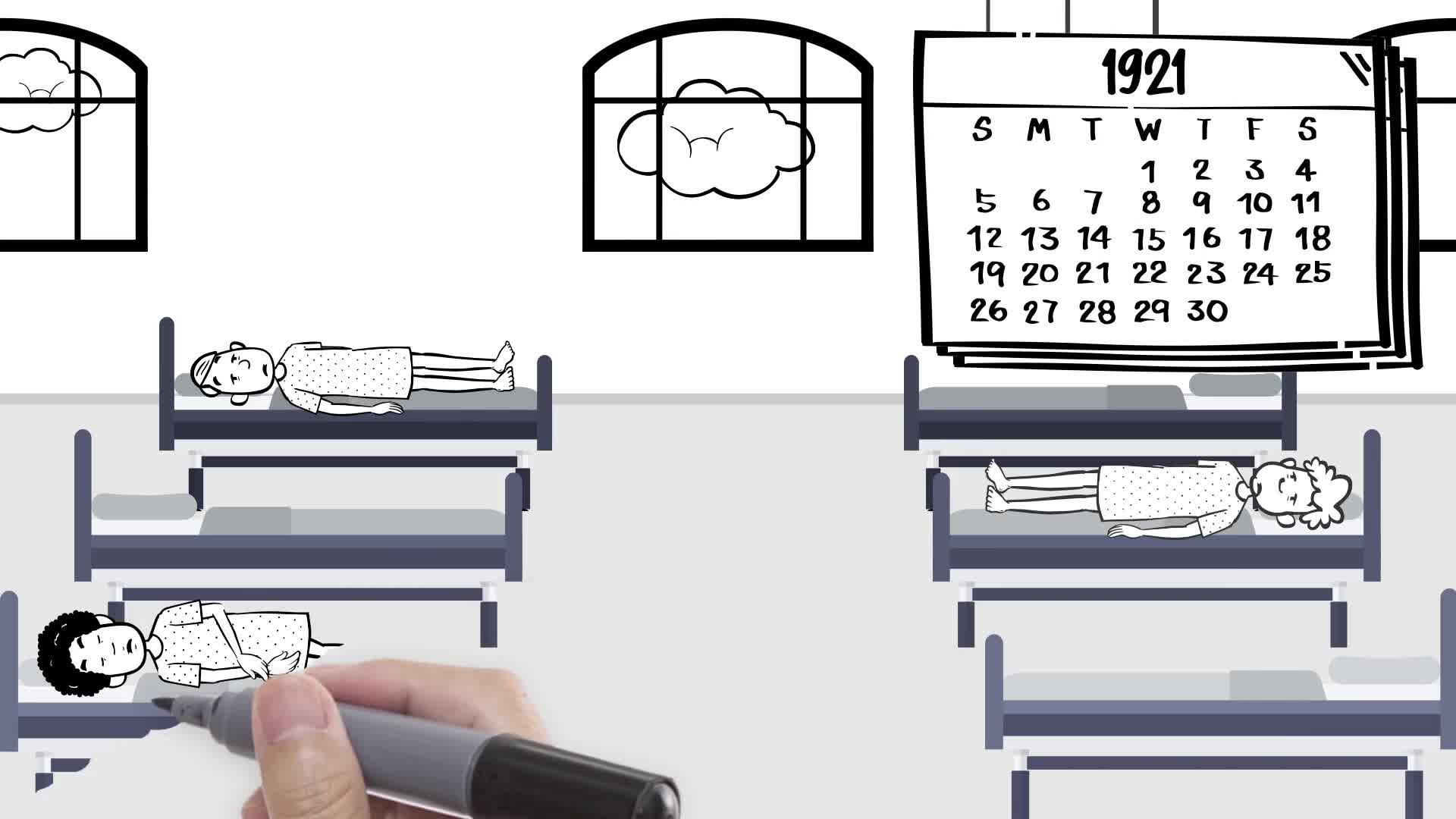
In 1921, diabetes was a death sentence. Then Frederick Banting and his team at the University of Toronto isolated a hormone that changed everything: insulin. The university's technology transfer system licensed the discovery so it could reach the world. Today, over 500 million people benefit from what began in a university lab in Toronto — and from a system that makes sure breakthroughs don't stay locked in a notebook.
When was the last time you Googled something? Google didn't come from a Silicon Valley boardroom — it came from a Stanford research project. Today, Google processes over eight billion searches a day, and behind every one of them is a story about public investment, university research, and a system built to turn discovery into impact.
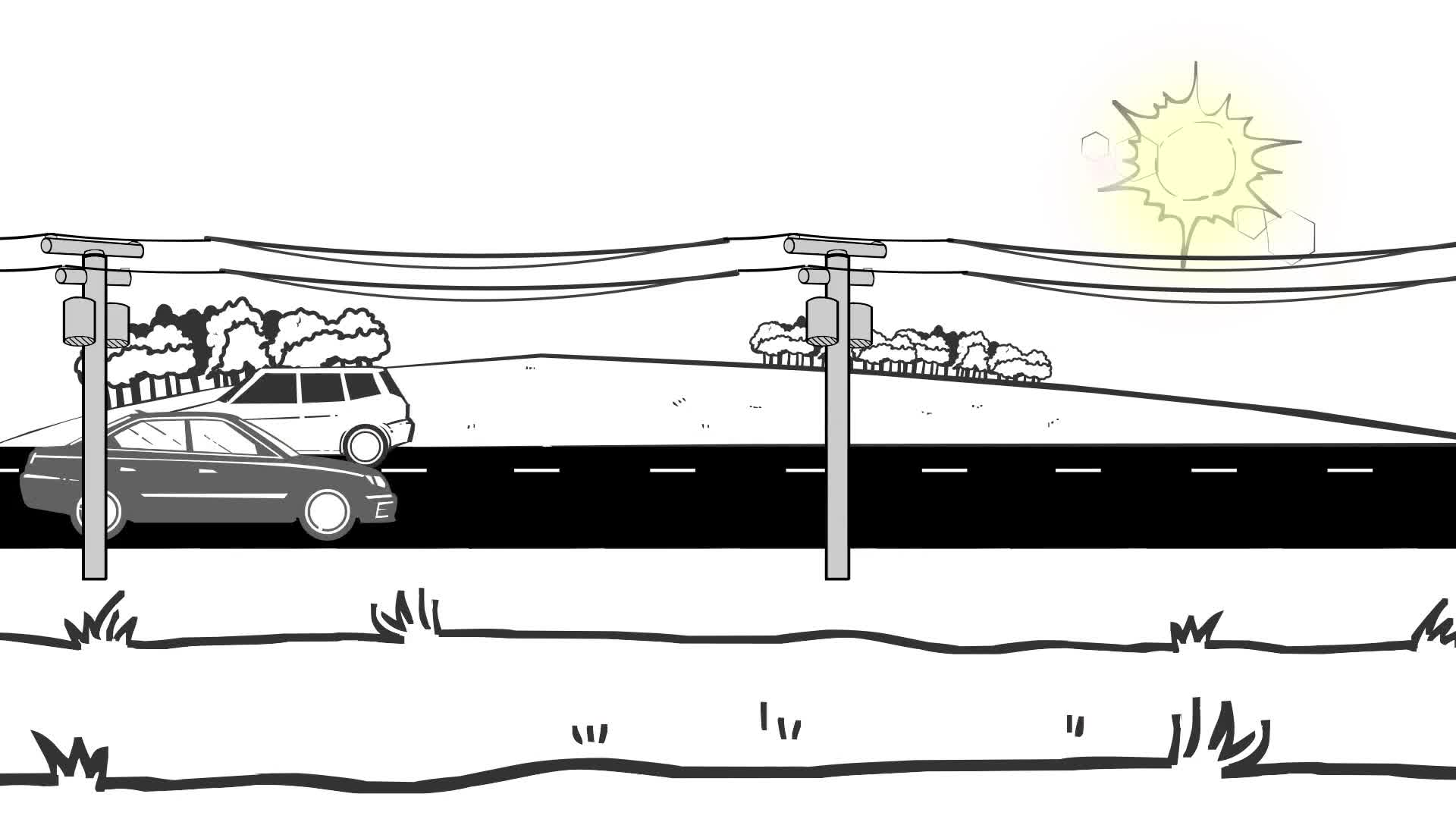
You hear it a hundred times a week and never think twice about it — click.
That sound exists because in 1963, a University of Minnesota researcher named James Ryan refused to accept that American highways had to be deadly
Today, the retractable seatbelt is standard equipment in every car and truck made in the United States. The estimated lives saved? Hundreds of thousands in America alone.
Every Pixar film you've ever loved. Every visual effect that made your jaw drop in a darkened theater. It all traces back to a university lab in Utah. Ed Catmull and Jim Clark developed the techniques that taught computers to render curved surfaces, simulate light, and create depth. The math, code, and curiosity born in that university classroom now lives inside every animated film, every video game, and every special effect on Earth.
Cataracts are the leading cause of blindness in the world. In 1981, a UCLA ophthalmologist named Dr. Patricia Bath asked a different question. What if you could use a laser, not a blade, to remove a cataract with precision? She spent years perfecting her invention: the Laserphaco Probe. Her invention has since restored sight to people who had been blind for over thirty years. It has been adopted around the world.
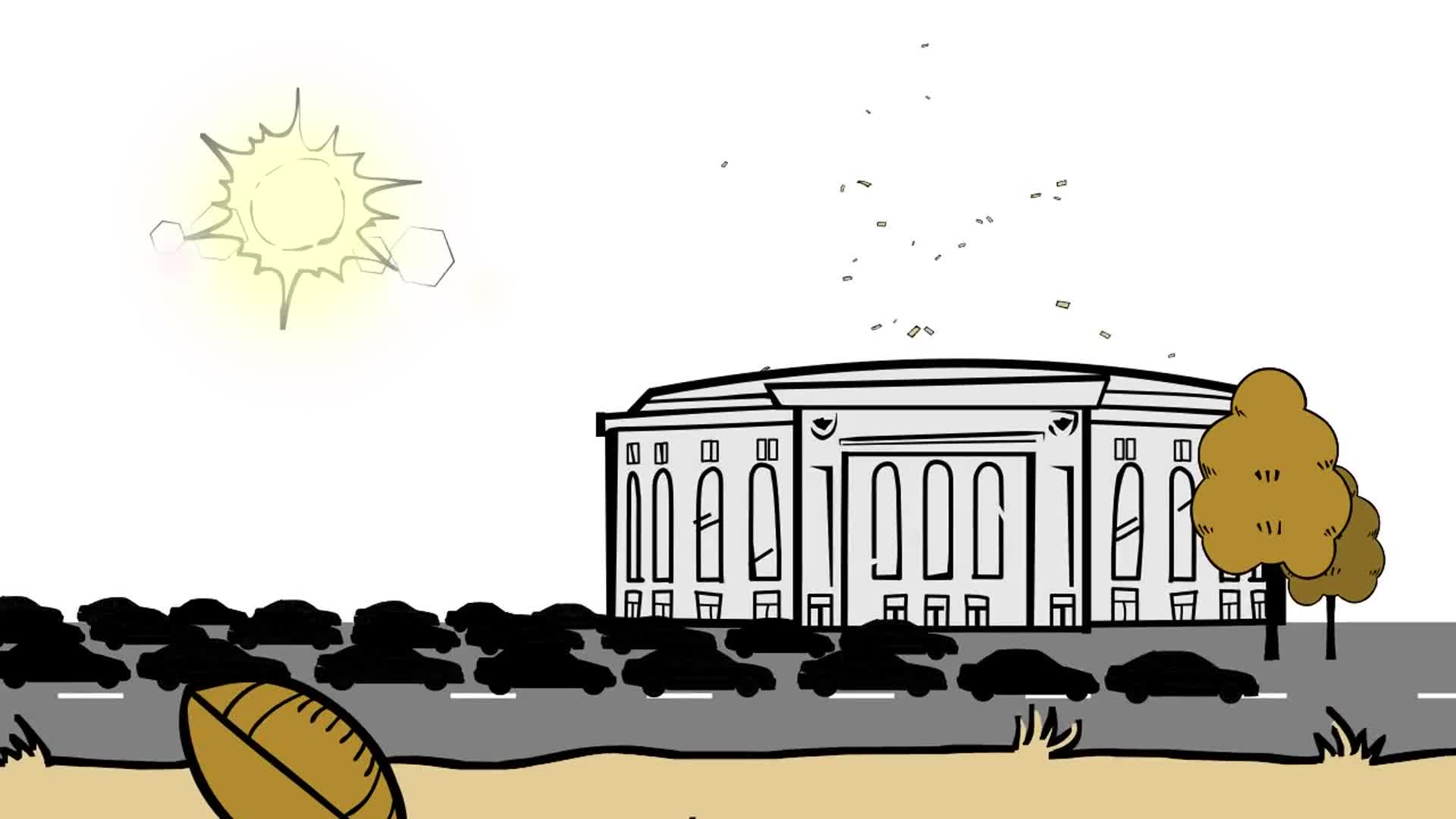
In the punishing Florida heat, the University of Florida's football team kept wilting in the second half — and no one knew why. So a group of university researchers set out to solve it. What they engineered in the lab to replace the fluids and electrolytes players were losing didn't just keep the Gators on their feet. It became Gatorade, one of the most successful sports products ever to come out of a university.
This is the story of how a sideline problem turned into a global brand — and how the science behind it still pays off today.
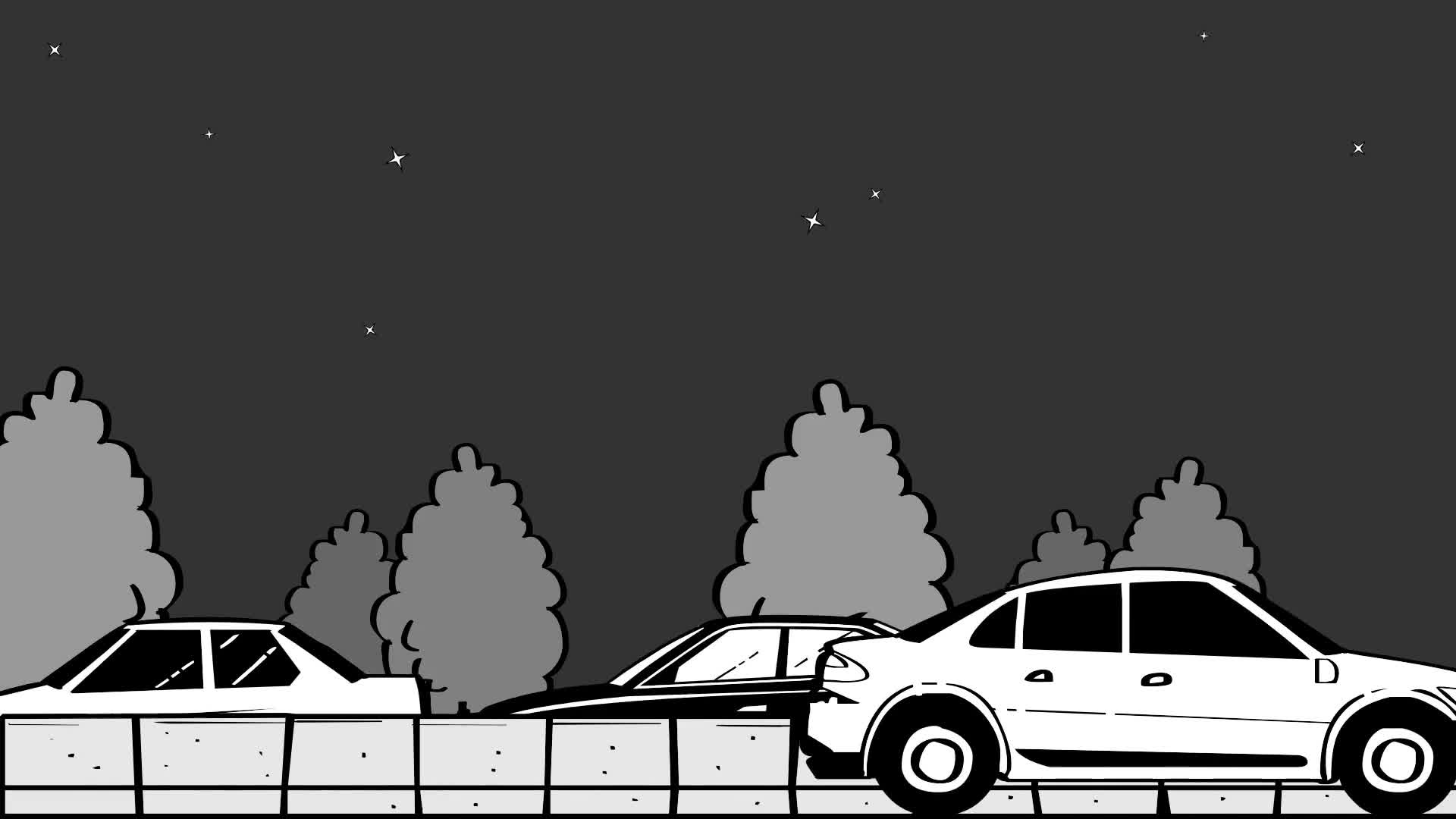
On the highway, a few feet can make the difference between impact and survival.
In Episode 10 of Spark & Scale, we spotlight the story of the crash cushion, the roadway safety innovation that helped make highways more survivable.
What may look like a simple barrier is actually the result of research, testing, and engineering built around one urgent question: How do we better protect people when crashes happen?
This episode also honors the legacy of Professor Teddy Hirsch, whose highway safety research helped shape the crash-cushion technology that continues to protect drivers today.
Innovation from Texas A&M University helped turn a dangerous roadway challenge into a life-saving solution now seen across roads and highways.
This episode explores E Ink, the MIT-born technology that helped transform digital reading.
By moving electrically charged particles inside microscopic capsules, E Ink creates a paper-like display that uses power primarily when the image changes. But the bigger story goes beyond the technology itself: it demonstrates what becomes possible when university research moves from discovery to commercialization—and ultimately into people’s everyday lives.
From a laboratory concept to thousands of books on a single handheld device, E Ink is a compelling example of innovation at scale.
What university-developed technology has made the greatest impact on your daily life?
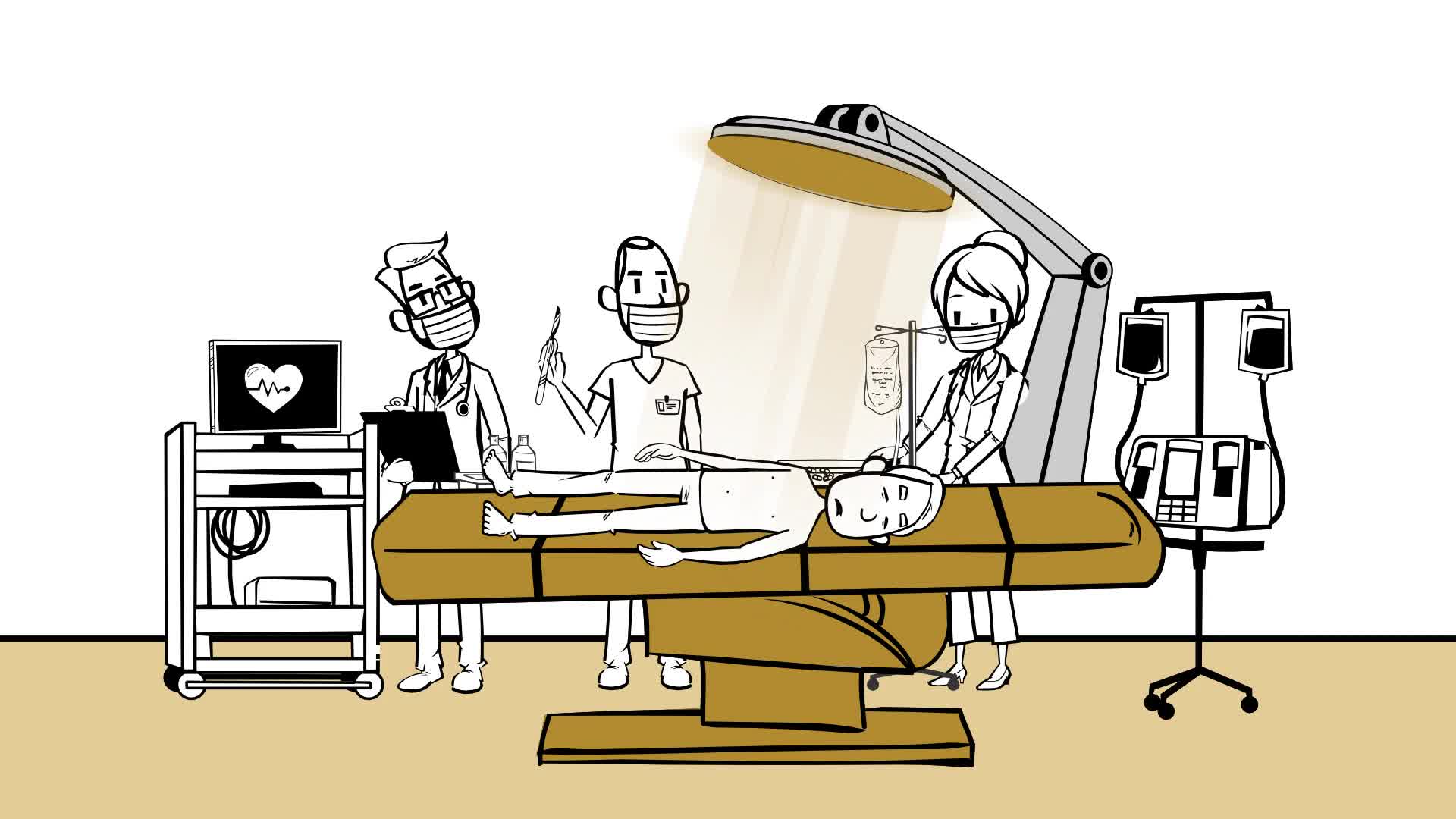
A hospital blackout. An urgent clinical need. Four weeks to create a device that could keep a heart beating.
In 1957, a power outage exposed a dangerous weakness in the pacemakers then used after heart surgery: they were bulky machines tethered to electrical outlets. University of Minnesota heart surgeon C. Walton Lillehei turned to Earl Bakken, an electrical engineer, University alumnus, and co-founder of the young Medtronic, with an urgent challenge: build a small, portable, battery-powered alternative.
Within four weeks, Bakken delivered. The resulting wearable pacemaker helped free cardiac pacing from the wall outlet, transformed patient care, and helped propel Medtronic from a small medical-equipment repair company toward a leading role in medical-device innovation.